قبل از آنکه سنگ برداریم، مکث کنیم
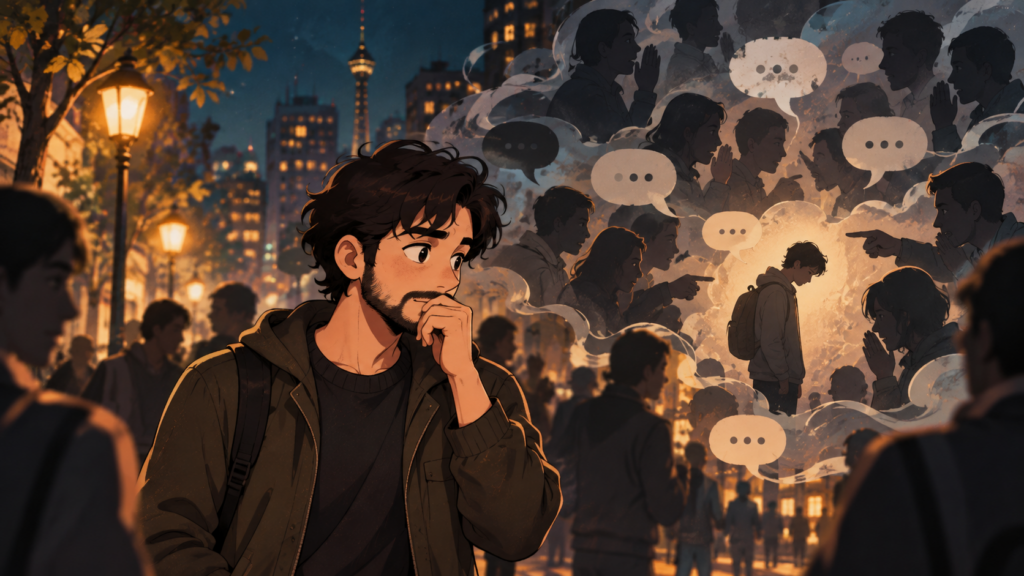
ما سالها با بعضی آدمها خندیدهایم. با صدایشان، با حضورشان، با شوخیها و خاطرههایی که از آنها در ذهنمان مانده، بخشی از روزهای زندگیمان را سبکتر کردهایم. بعضیها فقط یک چهره نیستند؛ تکهای از حافظه جمعی ما هستند. بخشی از عصرهای خسته، شبهای بیحوصله، و روزهایی که دلمان چیزی میخواست تا کمی از فشار زندگی کم کند.
حالا عجیب است که گاهی فقط چند خط کافیست تا همهچیز برگردد. چند خط بیسند. چند جمله نصفه و نیمه. یک پست، یک استوری، یک اسکرینشات، یک «میگن»، یک «شنیدم»، یک «حتماً یه چیزی بوده».
و بعد، انگار ناگهان همه از راه میرسند. قاضیها. بازپرسها. کارشناسهای اخلاق. و در نهایت، جلادهایی که هیچ چیز را به اندازه اجرای حکم دوست ندارند.
چقدر راحت شده آدمسوزی.
آدم گاهی فکر میکند این فقط یک رفتار تازه در فضای مجازی است، اما اگر کمی دقیقتر نگاه کنیم، میبینیم نه؛ ما فقط شکل مدرن یک بیماری قدیمی را داریم زندگی میکنیم. همان بیماری قدیمی شایعه. همان ارثی که نسلبهنسل دست به دست شده. همان عادت تلخی که سالها قبل در پچپچهای درِ گوش بود و امروز پشت هشتگها و استوریها و کانالها پنهان شده.
فقط ابزار عوض شده. اصل ماجرا همان است.
یک زمانی آدمها در جمعهای کوچک میگفتند: «شنیدی درباره فلانی چی میگن؟» امروز همان جمله فقط لباس تازه پوشیده: «تو فضای مجازی پیچیده که…»
فرق زیادی ندارد. در هر دو حالت، چیزی که قربانی میشود حقیقت نیست؛ اول از همه آبرو است.
و آبرو چیز کوچکی نیست.
آبرو فقط اسم نیست. فقط اعتبار اجتماعی نیست. فقط این نیست که مردم درباره یک نفر چه فکری میکنند. آبرو یعنی امنیت روانی یک آدم. یعنی حرمت او. یعنی حاصل سالها زندگی کردن، کار کردن، دوام آوردن، اشتباه کردن، ساختن، افتادن و بلند شدن.
ما خیلی وقتها حواسمان نیست که وقتی بیفکر در موج قضاوت میافتیم، فقط درباره یک خبر حرف نمیزنیم؛ داریم روی زندگی یک انسان قدم میگذاریم.
مشکل از جایی شروع میشود که هیجان جمعی، جای عقل را میگیرد. در آن لحظه دیگر کسی دنبال حقیقت نیست. همه فقط دنبال نقش خودشان در این هیاهو هستند. یکی میخواهد اولین نفری باشد که خبر را پخش میکند. یکی میخواهد تندترین موضع را بگیرد. یکی میخواهد نشان بدهد از بقیه اخلاقمدارتر است. یکی میخواهد از این آتش، توجه بگیرد. و یکی هم فقط حوصله فکر کردن ندارد و با جمع حرکت میکند.
همینجاست که انسان بودن سخت میشود. چون انسان بودن یعنی درست در همان لحظهای که همه دارند میدوند، تو مکث کنی.
مکث کردن کار سادهای نیست. خیلی وقتها حتی از قضاوت کردن سختتر است. چون قضاوت فوری، به آدم حس قدرت میدهد. حس میدهد که تو میفهمی، تو میدانی، تو از پشت پرده خبر داری. اما مکث کردن، یعنی بپذیری که شاید هنوز چیزی نمیدانی. یعنی بپذیری که دانستن، با شنیدن فرق دارد. یعنی قبول کنی حقیقت، همیشه به این سرعت خودش را نشان نمیدهد.
ما باید یک چیز خیلی ساده را دوباره یاد بگیریم: اگر خطایی هست، اگر جرمی هست، اگر حقیقتی هست، جای روشن شدنش دادگاه است، نه هیجان جمعی.
رأی را باید سند بدهد، نه موج.
اینکه ما قضاوت نکنیم، به این معنا نیست که سادهایم یا کورکورانه طرف کسی را گرفتهایم. قضاوت نکردن، اتفاقاً یک بلوغ فکری است. یعنی تو به خودت اجازه نمیدهی با تکههای ناقص اطلاعات، برای یک انسان حکم نهایی صادر کنی.
خیلیها این را اشتباه میفهمند. فکر میکنند یا باید فوراً محکوم کرد، یا فوراً دفاع کرد. در حالی که یک راه سومی هم هست؛ راهی که به نظرم انسانیترین راه است: صبر برای روشن شدن حقیقت.
نه سنگ برداریم، نه هورا بکشیم، فقط صبر کنیم تا حقیقت خودش را نشان بدهد.
این روزها ما بیش از هر چیز از کمبود همین صبر ضربه میخوریم. همهچیز سریع شده. خبر سریع میآید. تحلیل سریع ساخته میشود. و حکم هم سریع صادر میشود. اما حقیقت معمولاً اینقدر سریع نیست. حقیقت گاهی زمان میخواهد. بررسی میخواهد. سند میخواهد. و از همه مهمتر، وجدان بیدار میخواهد.
ما با خشمهای دستهجمعی، بیشتر از آنکه عدالت بسازیم، ویرانی تولید میکنیم. ویرانیِ اعتماد. ویرانیِ امنیت. ویرانیِ حرمت آدمها. و بدتر از همه، ویرانیِ خودمان.
چون هر بار که بیفکر وارد یک موج میشویم، کمی از انسانیتمان را جا میگذاریم.
آدمها همیشه از هیولا شدن یکباره نمیترسند. هیچکس یکباره هیولا نمیشود. ما کمکم عادت میکنیم. عادت میکنیم به تماشا. به حرف زدن. به قضاوت کردن. به شریک شدن در آبروبردن دیگران. و همین عادتهاست که خطرناک است.
یک جامعه، یکشبه بیرحم نمیشود. از همین جاها شروع میشود. از همین جا که یک خبر ناتمام را دست به دست میکنیم. از همین جا که از خودمان نمیپرسیم: «اگر یک روز نوبت من باشد چه؟»
اگر یک روز، چند خط ناقص درباره من منتشر شود چه؟ اگر یک روز، قبل از آنکه فرصتی برای توضیح داشته باشم، برایم حکم صادر کنند چه؟ اگر یک روز، آبرویی که سالها ساختهام، بازیچه هیجان یک جمع بیحوصله شود چه؟
شاید اگر هر بار این سؤال را از خودمان بپرسیم، کمتر سنگ برداریم.
من فکر میکنم ما بیشتر از هر زمان دیگری نیاز داریم به یک چیز برگردیم: مکث.
مکث قبل از بازنشر. مکث قبل از قضاوت. مکث قبل از موضع گرفتن. مکث قبل از آنکه در آتش یک شایعه، هیزم تازهای بیندازیم.
این مکث، دفاع از خطا نیست. حمایت کورکورانه نیست. ضعف نیست. این فقط احترام به حقیقت است. احترام به انسان است. احترام به آبرو است.
و شاید مهمتر از همه، احترام به خودمان است.
چون ما فقط با حرفهایی که میزنیم شناخته نمیشویم؛ با لحظههایی هم شناخته میشویم که میتوانستیم در صف قضاوت بایستیم، اما ترجیح دادیم انسان بمانیم.
یکبار، فقط یکبار، قبل از آنکه سنگ برداریم، مکث کنیم. نه فقط به خاطر آن کسی که امروز وسط میدان ایستاده، بلکه به خاطر خودمان. به خاطر اینکه شبیه همان نسلهایی نشویم که با «میگن» و «شنیدم» سرنوشت آدمها را میساختند و میسوزاندند.
تاریخ از بعضی نسلها فقط یک جمله به یاد میسپارد: «با شایعه ساختند، با شایعه سوزاندند.»
کاش ما از آن نسلها نباشیم.
For years, we have laughed with certain people. Their voices, their presence, their jokes, and the memories they left with us made some of our days lighter. Some people are not merely faces; they become part of our collective memory. Part of tired evenings, restless nights, and the days when we needed something to ease the pressure of life.
And yet, sometimes only a few lines are enough to turn everything around. A few unsupported lines. A few incomplete sentences. A post, a story, a screenshot, a ‘people say’, an ‘I heard’, a ‘there must be something to it’.
Then suddenly everyone arrives. The judges. The investigators. The self-appointed experts on morality. And finally, the executioners who seem to enjoy nothing more than carrying out the sentence.
Destroying a person has become frighteningly easy.
Sometimes we think this is a new behavior created by social media. Look a little closer, though, and it is not new at all. We are simply living through the modern form of an old disease: rumor. An inheritance passed from one generation to the next. The same bitter habit that once traveled in whispers now hides behind hashtags, stories, and channels.
Only the tools have changed. The underlying story has not.
There was a time when people in small gatherings would say, ‘Have you heard what they are saying about so-and-so?’ Today the same sentence wears new clothes: ‘It is all over social media that…’
There is not much difference. In both cases, truth is not the first victim. Reputation is.
And reputation is not a small thing.
Reputation is not merely a name. It is not merely social status or what other people think of someone. It is a person’s psychological safety, dignity, and the result of years spent living, working, enduring, making mistakes, building, falling, and getting back up.
We often fail to notice that when we mindlessly join a wave of judgment, we are not merely discussing a piece of news. We are stepping on a human life.
The problem begins when collective excitement replaces reason. At that point, almost nobody is looking for truth anymore. Everyone is looking for a role in the spectacle. One person wants to be first to spread the story. Another wants the harshest position. Someone wants to appear more moral than everyone else. Someone wants attention from the fire. And someone else simply does not feel like thinking and follows the crowd.
This is exactly where being human becomes difficult. Because being human means that at the very moment everyone else is running, you choose to pause.
Pausing is not easy. Often it is harder than judging. Immediate judgment gives us a sense of power. It makes us feel that we understand, that we know, that we have seen behind the curtain. Pausing means admitting that perhaps we do not know enough yet. It means accepting that knowing is different from hearing. It means accepting that truth does not always reveal itself at the speed we demand.
We need to relearn something very simple: if there has been wrongdoing, if there has been a crime, if there is a truth to uncover, the place for that truth to be established is a court of law, not the excitement of a crowd.
Evidence should deliver the verdict, not the wave.
Choosing not to judge does not mean we are naive or blindly defending someone. Refusing premature judgment is a form of intellectual maturity. It means we do not allow fragments of incomplete information to become a final sentence against another human being.
Many people misunderstand this. They assume we must either condemn immediately or defend immediately. There is a third path, and to me it is the most human one: wait for the truth to become clear.
Do not pick up the stone. Do not cheer either. Just wait until the truth has a chance to show itself.
These days, perhaps what hurts us most is the lack of that patience. Everything has become fast. News arrives quickly. Analysis is manufactured quickly. The verdict is issued quickly. Truth, however, is rarely that fast. Sometimes truth needs time. It needs investigation. It needs evidence. And above all, it needs an awake conscience.
With collective rage, we create far more destruction than justice. We destroy trust. We destroy safety. We destroy people’s dignity. And worst of all, we damage ourselves.
Because every time we mindlessly join a wave, we leave a small piece of our humanity behind.
People do not become monsters all at once. No one does. We slowly get used to things. We get used to watching, talking, judging, and participating in the destruction of other people’s reputations. That habit is what makes the process dangerous.
A society does not become cruel overnight. It begins in moments like these: when we pass around an incomplete story; when we fail to ask ourselves, ‘What if one day it is my turn?’
What if one day a few incomplete lines are published about me? What if people sentence me before I have a chance to explain? What if a reputation I spent years building becomes a toy for the excitement of an impatient crowd?
Perhaps if we asked ourselves that question each time, we would pick up fewer stones.
I think, more than ever, we need to return to one simple thing: the pause.
Pause before reposting. Pause before judging. Pause before taking a position. Pause before throwing another piece of wood into the fire of a rumor.
This pause is not a defense of wrongdoing. It is not blind loyalty. It is not weakness. It is simply respect for truth, respect for a human being, and respect for dignity.
And perhaps most importantly, respect for ourselves.
Because we are not defined only by the words we say. We are also defined by the moments when we could have joined the line of judgment, but chose instead to remain human.
Just once, before we pick up the stone, let us pause. Not only for the person standing in the middle of the square today, but for ourselves. So that we do not become like the generations that shaped and burned people’s lives with ‘they say’ and ‘I heard’.
History remembers some generations with a single sentence: ‘They built with rumor, and they burned with rumor.’
I hope we are not one of those generations.