ویستا: حافظه بصری بدون اتلاف برای عاملهای چندوجهی
ویستا یک چارچوب بصری است که به مدلهای چندوجهی امکان میدهد فریمهای گذشته را با جزئیات اصلی بازیابی و دوباره بررسی کنند. نویسندگان گزارش میکنند که این طراحی در بازیها و مسئلههای بصری تعاملی، عملکرد مدل پایه را بهطور چشمگیری بهبود میدهد.
فهرست مطالب
این معرفی بر نسخه پیشچاپ (arXiv) مقاله با شناسه 2610.02200 (اکتبر ۲۰۲۶) تکیه دارد؛ وضعیت داوری همتا (peer review) مستقل آن مشخص نشده و در این متن تأیید نمیشود. مقاله VISTA را یک «چارچوب بصری» برای مدلهای چندوجهی معرفی میکند که هدفش کمک به مدل در استدلال بلندافق در محیطهای تعاملی است. ایده اصلی این است که مدل فقط به بازنمایی فشرده یک تصویر در متن گفتوگو تکیه نکند، بلکه بتواند شواهد تصویری گذشته را هر زمان لازم شد دوباره ببیند و ورودی بصری خود را متناسب با مسئله بازسازماندهی کند.
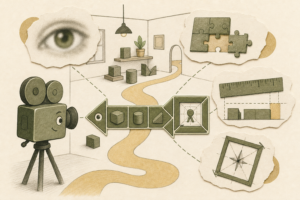
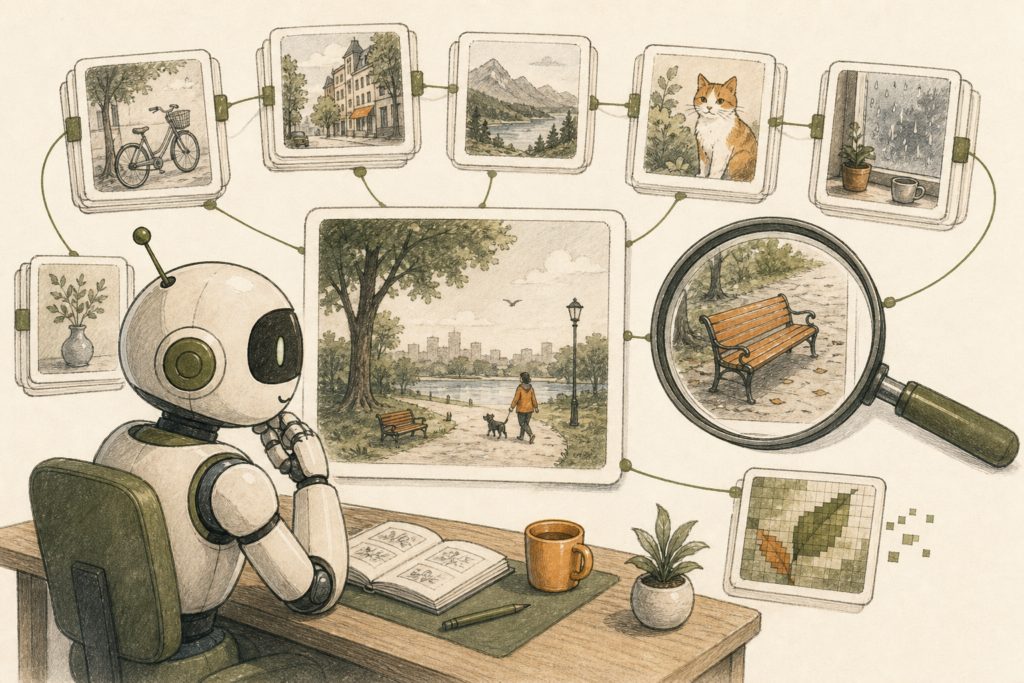
ویستا سه جزء دارد: مشاهده بصری از وضعیت محیط، حافظه بصری بدون اتلاف، و ابزار بازرسی بصری. همه فریمهای بازگشتی از محیط، از جمله فریمهای میانی انیمیشن، با وضوح اصلی و شاخص نوبت و فریم ذخیره میشوند. مدل میتواند چند فریم از زمانهای پیشین را کنار هم بررسی کند یا ناحیه مستطیلی مشخصی را بزرگنمایی کند؛ همچنین ابزار خواندن پیکسل، مقادیر RGB ناحیه انتخابشده را میدهد. این عملیاتها محیط را تغییر نمیدهند؛ تنها اجرای عمل بازی، وضعیت محیط را جلو میبرد.
در هر نوبت، عامل وضعیت فعلی و عملهای مجاز را میبیند، با زبان طبیعی فرضیه و برنامه میسازد و در صورت نیاز حافظه تصویری را بازرسی میکند. دو یادداشت نیز نگه میدارد: GUIDE.md برای قواعد و دانش پایدار میان مرحلهها، و WORKING.md برای وضعیت و برنامه موقت مرحله جاری. هنگام نزدیکشدن به سقف متن، عامل خلاصه انتقالی مینویسد و در متن تازه ادامه میدهد؛ حافظه بصری، تاریخچه عملها و یادداشتها باقی میمانند. خود چارچوب مدل آموزشدیدهای نیست و فقط فراخوانی ابزارها را اجرا و خروجی آنها را برمیگرداند.
طبق گزارش نویسندگان، در ۲۵ بازی عمومی ARC-AGI-3، VISTA همراه Claude Opus 5.0 با تلاش استدلالی extra-high امتیاز RHAE برابر ۱۰۰٫۰۰ گرفت و همه بازیها را کامل کرد. مجموع ۷٬۳۰۲ عمل، ۵۷٫۴٪ کمتر از مرجع ۱۷٬۱۳۵ عملی انسانهای باراول بود. نسخه مبتنی بر GPT-5.6 Sol با تلاش max نیز همه بازیها را تمام کرد و RHAE برابر ۹۹٫۰۰ با ۹٬۱۲۶ عمل داشت. RHAE تکمیل مرحله و کارایی عمل نسبت به خط مبنای انسانی را میسنجد و برای مرحلههای ناتمام امتیاز صفر در نظر میگیرد.
آزمایشهای حذف مؤلفهها با GPT-5.6 Sol نشان میدهند که جایگزینی شبکه متنی با تصویر، امتیاز را از ۱۳٫۳۳ خط مبنای رسمی به ۴۷٫۳۲ رساند؛ گفتوگوی پیوسته و یادداشتها آن را به ۷۰٫۰۵ رساندند. افزودن حافظه بدون اتلاف و بازرسی، RHAE را به ۹۴٫۱۰ و خواندن دقیق پیکسل آن را به ۹۹٫۰۰ رساند. در مقایسه مستقیم، مشاهده تصویری به RHAE ۹۹٫۰۰ با ۹٬۱۲۶ عمل رسید، در حالی که شبکه متنی RHAE ۹۶٫۷۵ با ۱۰٬۶۱۴ عمل داشت؛ میانگین مصرف توکن هر بازی نیز بهترتیب ۳۰٫۷ و ۷۱٫۹ میلیون گزارش شد.
مقاله همچنین VISTA را با تغییر اندک در GameWorld، AI GameStore و ۳۹ پرسش ردیابی بصری از BabyVision آزموده و در هر سه از پایههای حداقلی با همان مدل بهتر عمل کرده است، اما این نتایج ضامن کارکرد در محیطهای دیگر نیستند. محدودیت اصلی، وابستگی موفقیت به توانایی مدل پایه است؛ همچنین نویسندگان نمیتوانند ورود بازیهای عمومی به داده آموزشی مدلهای منتشرشده پس از انتشار بنچمارکها را رد کنند. ارزیابی در بازیهای تازه، از جمله مجموعه خصوصی ARC-AGI-3، آزمون قویتری برای تعمیمپذیری خواهد بود. هزینه توکن نیز با زمینههای بزرگتر یا تصاویر پُروضوح افزایش مییابد، و خود مقاله ارزیابی روی وظایف فیزیکی واقعی را گزارش نکرده است.
This overview is based on the preprint (arXiv) version of paper 2610.02200 (October 2026); its independent peer-review status is not established and is not asserted here. The paper introduces VISTA as a “visual harness” for multimodal models, intended to support long-horizon reasoning in interactive environments. Its central idea is that a model should not rely only on compressed image representations retained in the conversation context: it should be able to revisit prior visual evidence whenever needed and reorganize its visual input around the current problem.
VISTA has three components: visual observations of the environment, lossless visual memory, and visual inspection tools. Every frame returned by the environment, including intermediate animation frames, is stored at original resolution and indexed by turn and frame number. The model can inspect several frames from earlier times together or enlarge a selected rectangular region; a pixel-reading tool also returns RGB values for a selected region. These operations do not alter the environment; only a game-action call advances its state.
At each turn, the agent sees the current state and available actions, forms hypotheses and plans in natural language, and inspects visual memory when needed. It also maintains two notes: GUIDE.md for rules and reusable knowledge across levels, and WORKING.md for temporary state and plans in the current level. As the context limit approaches, the agent writes a handoff summary and continues in a fresh context; visual memory, action history, and notes remain available. The harness itself is not a trained model: it mechanically executes tool calls and returns their outputs.
As reported by the authors, on the 25 public ARC-AGI-3 games, VISTA with Claude Opus 5.0 at extra-high reasoning effort achieved an RHAE of 100.00 and completed every game. Its 7,302 total actions were 57.4% fewer than the 17,135-action first-time-human reference. The GPT-5.6 Sol version, at max reasoning effort, also completed all games and reached 99.00 RHAE with 9,126 actions. RHAE measures completion and action efficiency relative to a human reference, assigning zero credit to unfinished levels.
Ablations with GPT-5.6 Sol indicate that replacing text grids with images increased the official baseline score from 13.33 to 47.32; continuous conversation and notes raised it to 70.05. Adding lossless memory and inspection brought RHAE to 94.10, and exact pixel readout raised it to 99.00. In a direct comparison, image observations reached 99.00 RHAE with 9,126 actions, versus 96.75 RHAE with 10,614 actions for text grids; reported average token use per game was 30.7 million versus 71.9 million, respectively.
The paper also evaluates VISTA, with minimal adaptation, on GameWorld, AI GameStore, and 39 BabyVision visual-tracking questions, outperforming minimal-harness baselines with the same model on all three, but these results do not guarantee performance in other environments. A main limitation is dependence on the underlying model’s capabilities. The authors also cannot rule out that public games appeared in training data for models released after the benchmarks were published. Evaluation on novel games, including ARC-AGI-3’s private set, would be a stronger generalization test. Token costs also rise with larger contexts or higher-resolution images, and the paper itself does not report evaluation on real physical tasks.
پژوهشهای بیشتری بخوان
مقالات بیشتر درباره هوش مصنوعی و پژوهشهای تازه را ببین.